

Quick answer
The victoria bc whale watching season spans April through October, with the strongest sighting windows running May to September for resident orcas and June through October for humpback whales. Mid-May through early September delivers the most consistent activity as salmon runs draw Southern Resident killer whales into the Juan de Fuca Strait and Haro Strait feeding corridors, while warming waters bring humpbacks north from their breeding grounds.
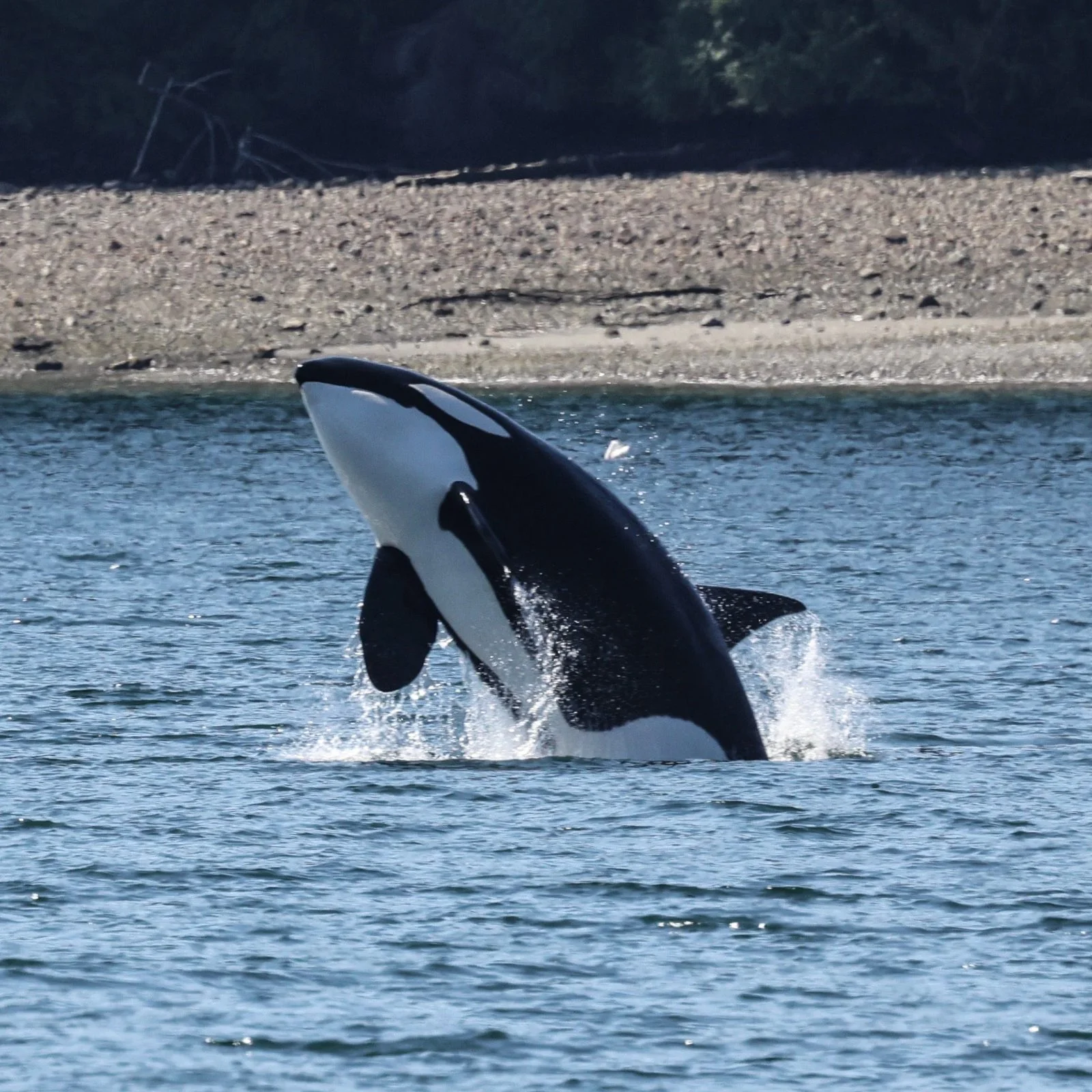
Three distinct orca pods—J, K, and L—travel predictable routes through the waters off Victoria, following Chinook salmon migrations that peak between late spring and early autumn. These Southern Resident killer whales form the backbone of the victoria bc whale watching season, with J Pod often remaining in local waters year-round while K and L Pods arrive in May and depart by October. Their presence transforms the Salish Sea into a reliable theater for surface behaviors: breaching, spy-hopping, and the dramatic black-and-white dorsal fins cutting through the strait. Humpback whale numbers have rebuilt steadily since the 1980s, and by June the first individuals arrive from Hawaiian and Mexican breeding lagoons, staying through autumn to exploit herring and krill concentrations. These baleen whales favor the open waters west of Victoria near Race Rocks and the southern Gulf Islands, where nutrient upwellings support dense prey fields. Their lunge-feeding displays and 15-meter body length make them easier to spot from tour vessels than the smaller, faster orcas. Water temperature and daylight shape the calendar. April and early May see colder seas and shorter tour windows, but also fewer crowds and active Bigg's killer whales hunting harbor seals near the coastline. July and August deliver calm conditions and the longest daylight, ideal for evening departures when low-angle light illuminates whale blows against the Olympic Mountains. September and October extend the victoria bc whale watching season guide into autumn, when humpback numbers peak and tour operators report sighting rates above 90 percent on many days. Commercial tours depart from the Inner Harbour daily at 812 Wharf St, operating 08:00 to 18:00 throughout the season. Morning departures between 08:00 and 10:00 benefit from glassy water and feeding activity near kelp beds, while afternoon runs encounter whales transiting between foraging zones. Operators monitor hydrophone networks and maintain contact with other vessels, directing boats toward real-time whale locations rather than fixed routes. No entry fee applies to the waterfront itself; all whale encounters occur via licensed tour vessels under federal marine mammal regulations that mandate 200-meter approach distances and no-chase protocols.
“Three distinct orca pods travel predictable routes through the waters off Victoria, following Chinook salmon migrations that peak between late spring and early autumn.”
Understanding the Victoria BC Whale Watching Season
The peak season for whale watching in Victoria, BC, spans from May to October, coinciding with the migration patterns of orcas, humpbacks, and other marine mammals. During this window, travelers benefit from high sighting success rates and generally favorable sea conditions.
May to June
Moderate crowdsCooler, 12°C to 16°C
This period marks the start of the season with active resident orca pods. Waters are often calm, providing stable viewing conditions.
July to August
Highest volumeWarm, 18°C to 22°C
These months offer the most reliable weather and frequent sightings of humpback whales. Mid-summer is the busiest time for maritime traffic.
September to October
Lower densityMild, 14°C to 18°C
Sightings remain consistent as humpbacks continue their migration. The water is often calm, and the summer crowds have significantly diminished.
Morning departures
Quiet—
Morning tours often provide the calmest water conditions of the day. Lower wind speeds frequently improve visibility and passenger comfort during sightings.
Verdict: For optimal sightings and manageable crowds, plan your visit for weekday mornings during the months of May, June, or September.
Victoria BC Whale Watching Season Daily Operational Hours
The facility operates daily to support whale watching tours departing from Victoria, BC. Aligning your arrival with our recommended schedule helps maximize your time on the water.
| Monday | 08:00–18:00 | |
|---|---|---|
| Tuesday | 08:00–18:00 | |
| Wednesday | 08:00–18:00 | |
| Thursday | 08:00–18:00 | |
| Friday | 08:00–18:00 | |
| Saturday | 08:00–18:00 | |
| Sunday | 08:00–18:00 |
Preparation Checklist for your Victoria BC Whale Watching Season Trip
Victoria's open-water conditions and unpredictable marine weather require gear and logistical steps most land-based attractions don't.
-
Book your tour slot online — Operators reach capacity during peak summer months and advance reservations guarantee departure times.
-
Bring waterproof layers and a windbreaker — Even calm mornings turn choppy; spray from boat movement soaks cotton clothing within minutes.
-
Pack polarized sunglasses and a hat — Glare off the Salish Sea makes whale identification difficult and causes eye strain on multi-hour excursions.
-
Take motion-sickness medication 30 minutes early — Swells in the Strait of Juan de Fuca affect even experienced boaters; preemptive dosing works better than reactive.
-
Arrive 20 minutes before departure — Check-in, safety briefings, and boarding procedures at 812 Wharf St require buffer time before the scheduled tour leaves.
-
Secure cameras with wrist straps — Sudden whale breaches and boat movements have sent unsecured phones and lenses into the water.
-
Wear closed-toe non-slip footwear — Wet decks become hazardous; sandals and heels are prohibited on most commercial whale-watching vessels.
Common Mistakes During the Victoria BC Whale Watching Season
Many visitors lose out on prime sightings by waiting until arrival to book tours or ignoring weather windows. A few planning adjustments make the difference between a confirmed departure and a sold-out season.
Booking tours the same week as travel
Reserve at least two weeks ahead during peak months (May through September). Operators fill quickly, and last-minute availability shrinks to less-desirable time slots or cancellations.
Ignoring weather forecasts before departure day
Check marine forecasts 48 hours prior and confirm your tour by phone at +1 250 383 8411. Fog, high winds, or small-craft advisories can shift or cancel departures with short notice.
Assuming all tour times offer equal sighting chances
Morning and early afternoon departures (within the 08:00–17:00 window) benefit from calmer seas and better light. Late slots reduce visibility and encounter fewer active pods.
Skipping advance research on seasonal species presence
Orcas peak mid-May through September; humpbacks arrive earlier in spring. Align your booking date with the species you prioritize, or expect opportunistic sightings outside those windows.
Arriving at 812 Wharf St without confirming your operator
Multiple companies share the waterfront. Verify your exact departure dock and check-in time in your confirmation email to avoid rushing between locations.
Check availability
Frequently Asked Questions About Victoria BC Whale Watching Season
Everything you need to know about victoria bc whale watching season